Key LASODA functions that protect rights and advance inclusion
Advocacy & Public Enlightenment
Registration & PWD Database
Policy Collaboration
Education & Welfare Guidelines
Sports & Special Schools
Certificates & Parking Insignia
Compliance, Complaints & Sanctions
Schools, Vocational & Rehabilitation Centres
Photo Gallery
Frequently Asked Questions
Find clear answers to common questions about LASODA, disability rights, and available support.
A person may seek redress either through a private legal practitioner, by enlisting the Office of the Public Defender for free legal services, or by forwarding a letter of complaint to the Lagos State Office for Disability Affairs for necessary action.
The identified stakeholders include parents and guardians, governmental ministerial agencies and parastatals, the media, judiciary, builders, architects, road transport workers, employers, law enforcement agents, religious bodies, labour unions, non-governmental organisations, and civil society organisations.
Persons with disability can benefit from this Law by participating in the data registration and screening exercise carried out in the five major divisions of Lagos State by LASODA, during which their particulars are taken and certificates awarded according to their disability status.
The Law provided that by the year 2016, every public building, place, road, pedestrian crossing, and other structures must be modified to be accessible and usable by persons with disabilities.
Parents and guardians must ensure that such children are free from neglect, exploitation, violence, abuse, segregation, or concealment because of their disability. They must also ensure that such children are educated to at least secondary school level.
These rights include: Right to education and free tuition at all levels in public educational institutions. Right to free health and medical care in all public health institutions. Right to work and employment opportunities. Right to non-discrimination and freedom from harmful or inhuman treatment. Right to drive. Right to full inclusion and participation in the community, including cultural, political, recreation, leisure, and sport. Right to freedom of communication, safety, and protection in emergencies, violence, and natural disasters. Right to social security for persons with disabilities who are 60 years and above. Right to enjoy 5% accommodation reservation where it is provided by schools, employers, organisations, and government at all levels. Right to adequate standard of living and social protection at social gatherings. Right to reserved parking lots. Right to special seats in vehicles, vessels, trains, and aircraft. Right to PWD-friendly facilities in public transport. Right to unfettered access to buildings, schools, and institutions. Right of first consideration in queues. Right to seek redress for any infringement of rights.
The functions of LASODA are expressly stated in section 3 subsection 1-19 of the Law and may be summarised as ensuring the successful implementation of the Lagos State Special People's Law.
LASODA is an acronym for Lagos State Office for Disability Affairs.
It is a law enacted by the Lagos State Government under the leadership of the Executive Governor of Lagos State, His Excellency Mr Babatunde Raji Fashola SAN, on June 24, 2011. It was established to safeguard people living with disability against all forms of discrimination, give them equal rights and opportunities, guarantee that they are fully included in society, and improve their self-esteem.


What people are saying about LASODA


LASODA provided adaptive support and guidance that helped me regain confidence and move forward with my professional goals.
Chioma Okafor
LASODA Beneficiary
The intervention I received improved my mobility and gave me the encouragement to stay focused on my education and future.
Adebayo Alabi
LASODA BeneficiaryPartnership and Collaborations



Support for People With Disability
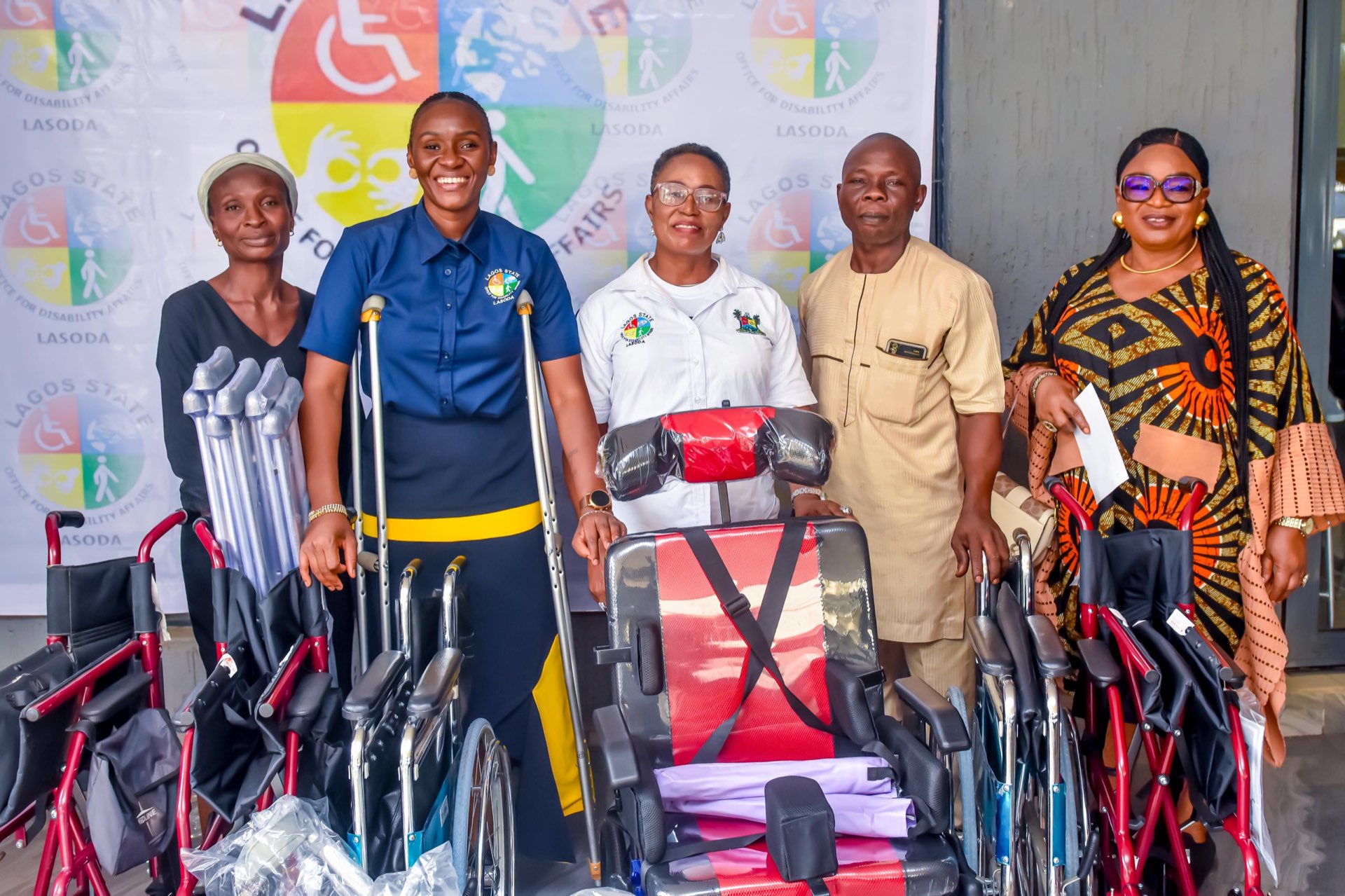
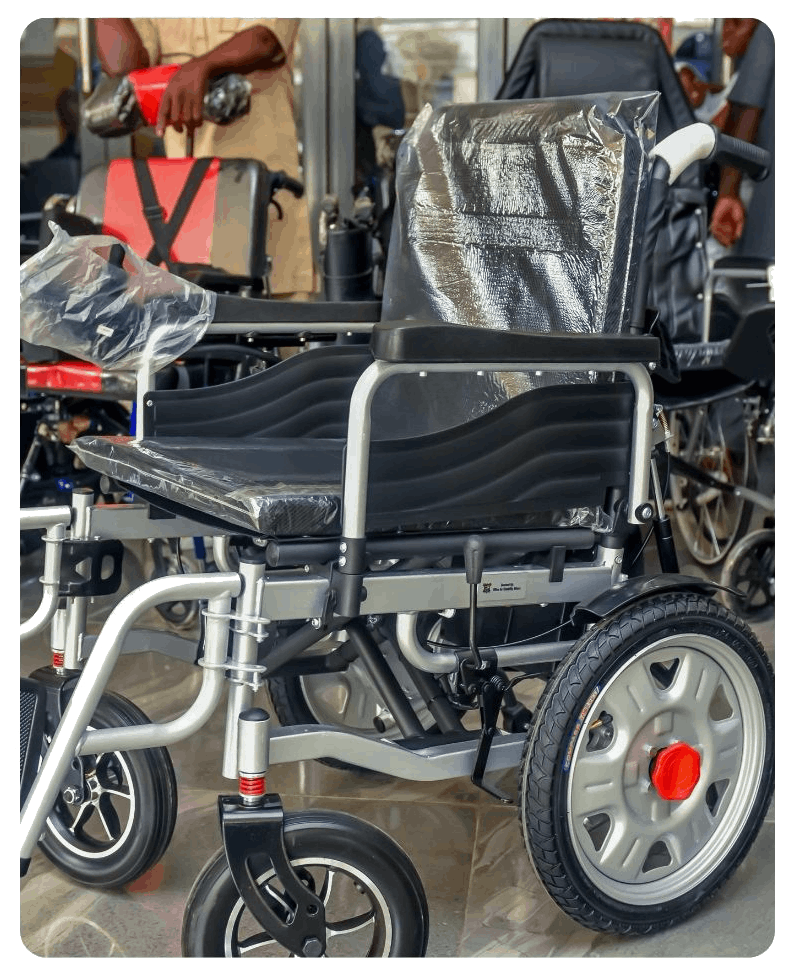
LASODA provides inclusive services, assistive devices, and advocacy support.
We also create pathways to greater independence for persons with disabilities in Lagos State.